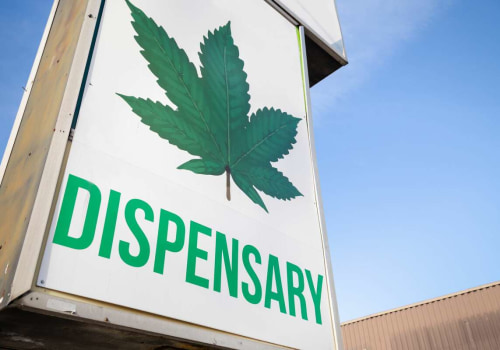
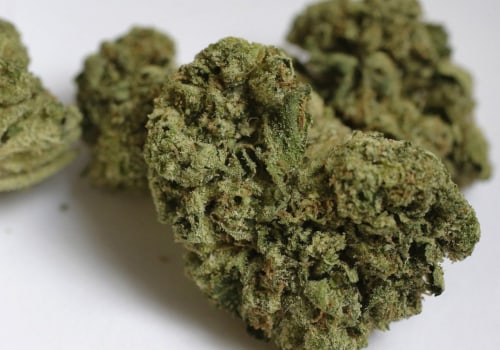
Expanding a marijuana dispensary into new markets can look like a natural next step for a successful cannabis business, but the legal risks behind that growth are often more complicated than they first appear. Unlike many retail industries, cannabis operations are governed by a patchwork of state, county, and municipal rules that can differ dramatically from one location to another. A dispensary that operates smoothly in one jurisdiction may face entirely different licensing requirements, zoning restrictions, ownership disclosure rules, advertising limits, product testing standards, security obligations, and tax responsibilities in another. These differences can create unexpected delays or financial exposure if expansion decisions are made before legal requirements are fully reviewed. Because cannabis remains heavily regulated, opening a new location is not simply a matter of finding a storefront and hiring staff; it requires careful planning, documentation, and compliance from the earliest stages.
Licensing and Local Approval Can Create Obstacles
One of the most significant risks involves licensing. Some markets limit the number of dispensary licenses available, while others use competitive application processes that require detailed operating plans, community impact statements, financial disclosures, security protocols, and proof of local support. Even after state approval, a business may still need municipal permits or zoning clearance before it can operate. Local governments may restrict dispensaries from opening near schools, parks, churches, residential neighborhoods, or other cannabis businesses. Lease agreements can also become complicated because landlords, lenders, and insurers may have their own concerns about cannabis-related activity. If a dispensary signs a lease before confirming zoning approval or licensing eligibility, it may become responsible for expensive rent payments on a property it cannot legally use. This is why legal due diligence should happen before major financial commitments are made.
Compliance Requirements Vary by Market
Another hidden risk is that compliance systems may need to be rebuilt for every new market. Inventory tracking, seed-to-sale reporting, employee training, packaging, labeling, advertising, product sourcing, and customer verification rules can all vary by jurisdiction. A marketing campaign that is acceptable in one state may violate advertising restrictions in another. A product label approved in one market may fail required warning, potency, or testing disclosure standards elsewhere. Tax obligations can also differ significantly, affecting pricing, accounting, and cash flow. Legal professionals, including firms such as Jordan Law Accident & Injury Lawyers, often understand how liability can arise when businesses overlook documentation, procedural rules, or jurisdiction-specific responsibilities. For cannabis dispensaries, the same principle applies: small compliance gaps can lead to fines, license suspension, product recalls, civil disputes, or reputational damage.
Growth Requires Careful Legal Planning
Successful expansion requires more than enthusiasm for a promising market. Dispensary owners should evaluate local regulations, licensing timelines, tax burdens, real estate risks, banking access, insurance availability, employment laws, and community relations before entering a new jurisdiction. They should also review ownership structures, investor agreements, management contracts, and vendor relationships to ensure they comply with cannabis-specific rules. In some markets, undisclosed control, improper financing arrangements, or unapproved ownership changes can threaten a license. Ongoing monitoring is equally important because cannabis laws continue to evolve, and a compliant operation today may need policy updates tomorrow. By treating legal planning as a core part of expansion rather than an afterthought, dispensary owners can reduce avoidable risk, protect their licenses, and build stronger operations in each new location. The opportunity to grow may be significant, but in the cannabis industry, sustainable expansion depends on understanding that every new market brings a new legal landscape.